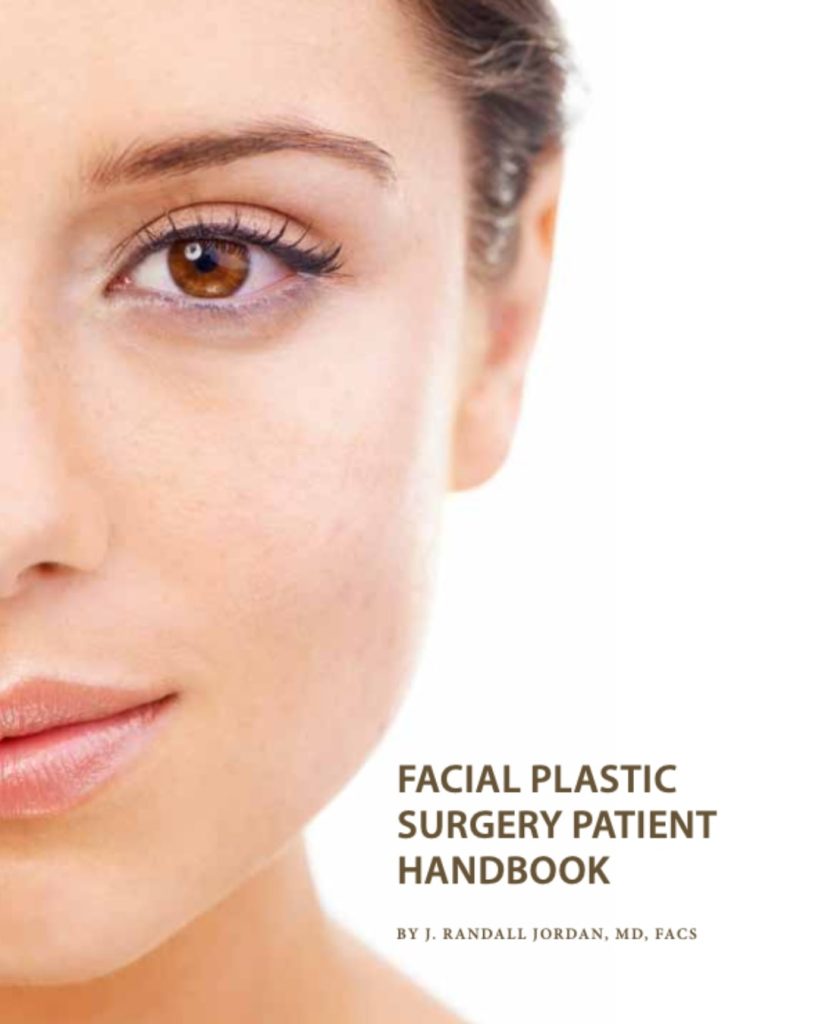
Deep Chemical Peels in Jackson, MS
Chemical peels at Faces, PLLC, offer dramatic rejuvenation for wrinkles, texture, and discoloration. With physician-level care, we customize treatments to your skin type and goals, whether you’re dealing with sun damage, acne scars, or skin laxity.
What Is a Chemical Peel?
A chemical peel for wrinkles is a non-surgical treatment that exfoliates damaged skin layers to reveal a smoother, brighter complexion. Peels range from light to deep, depending on how far they penetrate. Lighter peels treat surface concerns, while strong chemical peels target deeper wrinkles and textural issues that don’t respond to fillers.
Our physician-administered phenol peels remove damaged layers and stimulate collagen production, resurfacing skin affected by aging, sun exposure, or smoking. These treatments are ideal for patients with etched lines around the mouth and eyes, uneven tone, or stubborn texture concerns.
A strong chemical peel can simultaneously improve multiple issues.
- Wrinkles: Smooths static lines and deep folds
- Scars: Softens acne and surgical scars
- Melasma: Lightens blotchy pigmentation
- Skin laxity: Firms superficial layers
- Age spots: Fades sun-induced discoloration
- Fine lines: Blends creases around eyes and cheeks
- Texture: Refines rough patches and bumps
What Are the Benefits of a Deep Chemical Peel?
Deep chemical peels exfoliate the skin layer by layer. When applied to the skin’s surface, the chemical exfoliant can penetrate the skin at varying levels of depth to address damage caused by age, sun, and other harsh elements. Chemical peels help to promote the body’s natural production of collagen, which helps to smooth wrinkled skin.
Deep chemical peels can typically help improve the appearance of
- Deep Wrinkles
- Skin Laxity
- Acne Scarring
- Age Spots
- Fine Lines
- Textural irregularities (bumps, dry patches, rough texture)
- Skin discoloration
- Dull skin tone
Benefits differ between individuals, but in general, lines that are present when the face is at rest can be improved, if not removed. Fine wrinkling around the mouth and eyes responds particularly well to deep peels.
What to Expect During and After Your Treatment
We prioritize your comfort and will help you feel relaxed with a sedative. You’ll also receive a local anesthetic before your provider applies the phenol solution.
The peel exfoliates damaged skin, tightens pores, and stimulates collagen remodeling. A thick ointment follows to soothe and protect your complexion.
Deep chemical peel recovery time varies, but you can expect:
- Swelling and redness for 10 days to two weeks
- Makeup use after two weeks
- Pinkness that fades over several months
- Total re-epithelialization in two to three weeks
During healing, follow your care plan closely: use gentle cleansers, moisturize as directed, and avoid sun exposure. If you must go outdoors, apply SPF 50 mineral sunscreen beforehand.

What is Recovery Like After a Chemical Peel?
Depending on the type of peel, results vary from just a general removal of the outer layers of older skin cells and a general brightening of the skin tone, all the way up to removal of most wrinkles, even some of the very deep ones. All chemical peels involve the removal of some layers of the skin and some peeling will be seen. The deeper peels cause severe swelling and prolonged redness and you must be prepared for this. For more mild peels, most patients can return to regular activities in a day, but deep peels will require 10-14 days before make-up can be applied to cover the redness that will gradually fade over several months.
During this healing time, it’s imperative that you properly care for your skin and follow your doctor’s instructions. When cleansing your skin, be sure to use lukewarm water with a gentle cleanser. Pat the skin dry with a soft towel or paper towel. Apply a moisturizer recommended by your doctor to help keep your skin hydrated and protected. Keep your skin out of direct sunlight by wearing a wide brimmed hat or staying indoors until your skin is completely healed. Even after you’ve healed, the fresh new layer of skin will be susceptible to the sun and should be protected with a high quality sunscreen (preferably mineral) of SPF 50 at all times.
Who Makes a Good Candidate for A Deep Chemical Peel?
During your consultation at Faces, PLLC, our facial rejuvenation specialists will evaluate your skin to determine the best type of chemical peel to target your specific skin concerns. Almost all skin types can have mild peels with little concern for side effects. Deep peels are limited to those with a lighter skin complexion.
You will be asked to stop smoking several weeks before your treatment and to discontinue any acne medications. Hormones of any kind must be avoided immediately before and after a peel, as they have been associated with darkening of the skin after peeling. Those with active skin infections may not be good candidates for a deep chemical peel and should first consult their physician before moving forward with any skin treatment. If you have a history of frequent fever blisters, you will be given an antiviral medication to take before and after the deep peel.
Why Choose Faces, PLLC?
Deep peels suit lighter skin tones and patients with significant texture or wrinkle concerns. During your consultation, we’ll assess your skin, review medications, and outline prep steps to determine if this treatment fits your goals.
Patients looking for chemical peels near Jackson trust Faces because we combine advanced techniques with compassionate care. Our specialists tailor every plan to your anatomy, comfort level, and aesthetic vision, delivering long-lasting, natural-looking results.
Frequently Asked Questions About Deep Chemical Peels
At Faces, PLLC, we offer several different types of peels, including:
Light Chemical Peels- Light peels are for gentle exfoliation of the skin’s more superficial top layers. These peels are typically made with alpha-hydroxy acid (AHA) or salicylic acid.
Medium Chemical Peels- Medium peels offer a deeper exfoliation by penetrating deeper skin layers to help remove debris and damage below the surface of the skin. They are usually composed of trichloroacetic or glycolic acid.
Deep Chemical Peels- Deep peels involve the longest recovery time but can be instrumental in revitalizing a complexion that has become dull, depleted, and showing the most signs of aging. A deep peel is usually composed of phenol or phenol-croton oil.
Since sun exposure must be avoided after a peel of any type, winter is an optimal time for most peels.
Complications following chemical peels are not common, as long as instructions are carefully followed. The most common complaint is prolonged redness that can sometimes last for months, but rest assured this is only temporary. Pigment changes, usually a lightening of the skin color, are seen more frequently. Scarring is a rare complication.
The results of a deep chemical peel are generally very long lasting, often for many years. Skin which is deeply wrinkled may require a second peeling or touch-up in spots. Lighter peels are usually repeated more frequently, as needed.
Deep chemical peeling will tighten skin to some degree, but will not produce the degree of lifting seen with a facelift. Ideally, a facelift is performed first and then a deep peel several months afterwards. Think of it as you would if renovating a house – repair the structural problems first, and then a nice fresh coat of paint is the finishing touch!
There is really no other form of skin resurfacing that rivals the improvement in deep wrinkles as seen with deep chemical peeling.
To achieve the best results, you may need to follow a pre-treatment skincare routine for a few weeks before your peel. This strategy could include using prescription-strength retinoids or topical creams to enhance cell turnover and improve your skin’s tolerance. Your provider may also recommend avoiding excessive sun exposure and discontinuing certain skincare products, like exfoliants or acids, to prevent irritation.
During the treatment, you’ll likely feel a strong tingling, burning, or stinging sensation as the solution works to penetrate the deeper layers of your skin. We will use a local anesthetic to ensure your comfort. Dr. Jordan and his staff will monitor your reaction closely to keep the experience as manageable as possible.
Your skin will go through an initial recovery phase that includes swelling, peeling, redness, and sensitivity. Once this subsides, typically around two to three weeks, you’ll notice smoother, more even-toned skin. Full results continue to develop over the coming months as collagen rebuilds and your skin fully regenerates.
While a deep chemical peel is typically performed as a standalone procedure, some patients explore combination treatments for even more dramatic results. Procedures like laser resurfacing, microneedling, or dermal fillers are best planned for a later date after your skin has fully healed to avoid over-stressing the skin. Our team will create a timeline tailored to your aesthetic goals.
Deep chemical peels are particularly effective for reducing wrinkles and sun damage but are not as efficient as some types of laser treatments for acne scarring. Even moderate acne scarring is very difficult to treat, and early treatment of acne is by far the best course of action to prevent scarring.
After a deep peel, protecting your healing skin is crucial. Avoid direct sun exposure, heavy exercise that induces sweating, and harsh skincare products for several weeks. You should also avoid makeup until you’re cleared by our team, typically after the initial peeling has subsided. Picking at the peeling skin can cause scarring, so let it slough off naturally. Keeping the skin moisturized and following the aftercare instructions precisely will help ensure the best possible outcome.
After a deep chemical peel, your skin needs ample time to heal before you can apply makeup safely. Generally, most patients should wait at least two weeks, sometimes longer, until the peeling phase is complete and new skin has fully emerged. Applying makeup too soon can increase the risk of infection or irritation, compromising your results. Your facial rejuvenation specialist will offer specific guidance based on how your skin heals.
While your skin may look red, raw, and even swollen during recovery, the results are smoother, brighter, and healthier-looking skin rather than an overdone or unnatural appearance. Deep chemical peels are designed to rejuvenate while maintaining your unique facial features. When performed by a qualified, board-certified physician, the results are natural-looking and beautifully refreshed.
Deep chemical peels are performed by Dr. Jordan at our clinic in Ridgeland, Mississippi.
Visit our Procedure Pricing page to learn more about the cost of a deep chemical peel in Jackson, MS. Beautiful, youthful skin is attainable with chemical peels. If you want to learn more about deep chemical peels, please contact our Ridgeland, MS facial plastic surgery practice at (601) 607-3033 or contact us through our convenient website portal today.